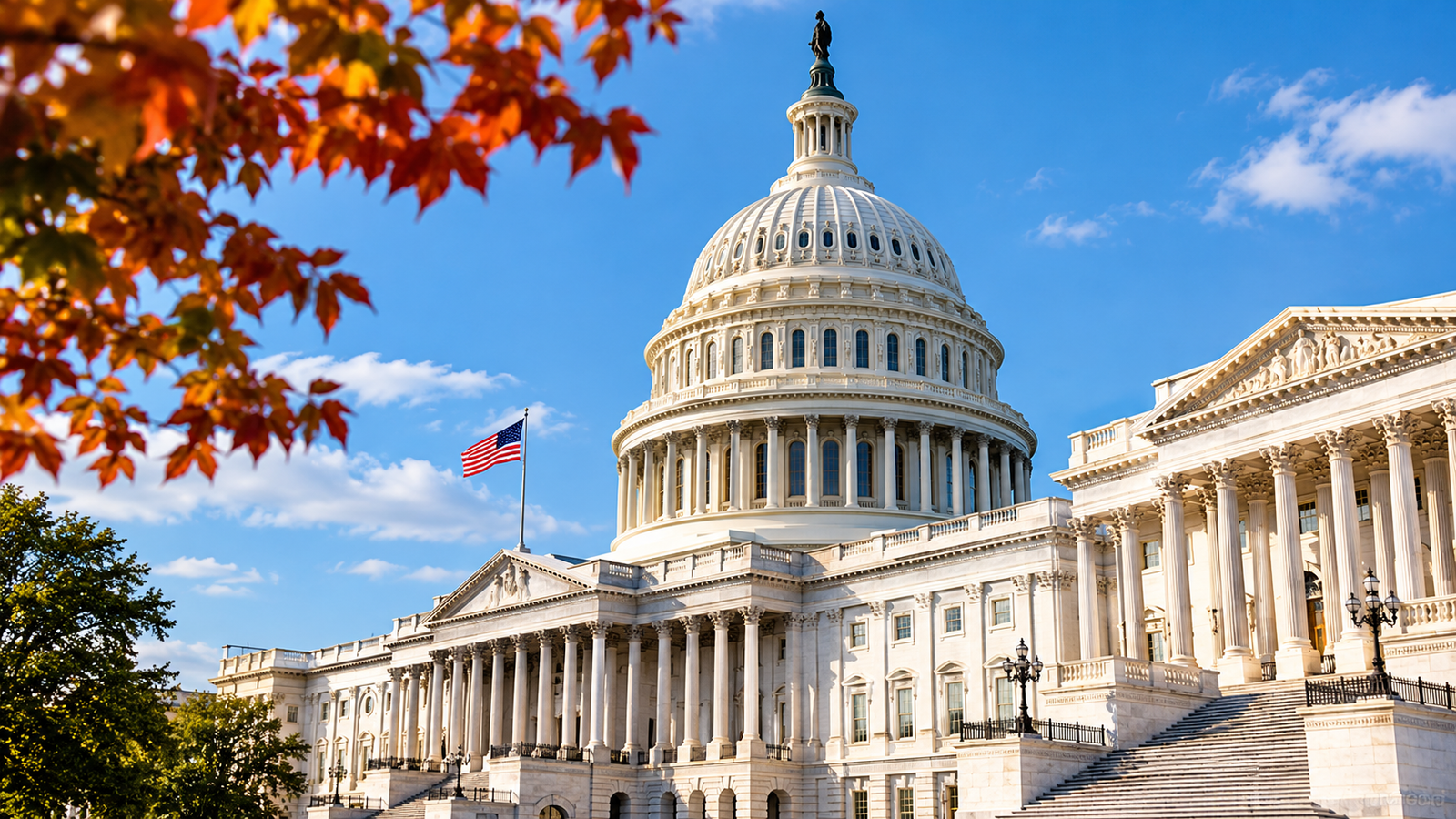
The 2026 U.S. midterm elections have brought a significant shift in Washington, with Democrats winning control of both the House of Representatives and the Senate. For millions of Americans trying to build wealth, protect their savings, and make smarter financial decisions, one important question remains: What could these election results mean for their investments?
Financial markets reacted to the election results with movements across stocks, bonds, currencies, and several major industries. However, political changes do not automatically determine whether the stock market will rise or fall. Interest rates, inflation, corporate earnings, and economic growth continue to play essential roles in investment performance.
For small investors, understanding these developments is more valuable than reacting emotionally to political headlines.
In this guide, we will explore how the 2026 midterm elections could affect the stock market, which investment sectors deserve closer attention, and five practical strategies that may help everyday investors navigate uncertainty while focusing on their long-term financial goals.
What Happened in the 2026 U.S. Midterm Elections?
The 2026 U.S. midterm elections took place on November 3, determining control of Congress and shaping the political landscape for the final two years of President Donald Trump’s term.
According to the Associated Press, Democrats secured majorities in both the House of Representatives and the Senate, changing the balance of power in Washington.
Midterm elections occur halfway through a president’s four-year term. Americans vote for all 435 seats in the House of Representatives and approximately one-third of the Senate, along with various state and local offices.
The results create a divided government, with a Republican president and a Democratic-controlled Congress. This arrangement could influence negotiations over federal spending, taxation, trade, and other economic matters.
For investors, the key consideration is how future legislative decisions may affect businesses, consumer spending, inflation, and economic growth. However, election results alone cannot reliably predict the direction of the stock market.
How Could the 2026 Midterm Election Results Affect the Stock Market?

The 2026 midterm election results have introduced a new political environment for Wall Street. With Democrats controlling Congress and Republicans retaining the White House, investors are evaluating how changes in government policy could influence corporate profits, economic growth, and stock market performance.
The initial market reaction demonstrated how quickly investor sentiment can change. On November 4, the S&P 500 gained approximately 1.6% as election uncertainty eased. However, the following day, the index fell around 4%, while the technology-heavy Nasdaq dropped approximately 5.5%.
For more details on the initial market reaction, see the Associated Press report on U.S. stock market performance following the November 2026 midterm elections.
The following day’s sharp market decline was also documented by the Associated Press, which reported significant losses across major U.S. stock indexes on November 5, 2026.
The S&P 500 and Market Volatility
The S&P 500 tracks approximately 500 leading U.S. companies and is widely used as a benchmark for the American stock market.
For individual investors, the recent volatility highlights an important lesson: political developments can influence short-term market movements, but long-term returns also depend on corporate earnings, inflation, interest rates, and economic conditions.
Technology Stocks and Artificial Intelligence
Technology companies, particularly those involved in artificial intelligence and data center infrastructure, have attracted significant attention following the elections.
Investors are considering whether increased congressional scrutiny could affect the expansion of AI infrastructure. Some semiconductor manufacturers and data center operators experienced substantial selling pressure as markets reassessed their growth expectations.
However, not every technology company faces the same risks. Business models, financial strength, profitability, and exposure to regulatory changes can produce very different outcomes.
What This Means for Long-Term Investors
For small investors, the most important consideration may be maintaining a disciplined investment strategy rather than reacting to daily market headlines.
Diversification, regular portfolio reviews, and investments aligned with personal financial goals can help manage uncertainty.
Although historical market performance after midterm elections has often been positive, past results do not guarantee future returns. Investors should evaluate their risk tolerance and financial circumstances before making investment decisions.
Investment Opportunities and Risks After the 2026 Midterm Elections
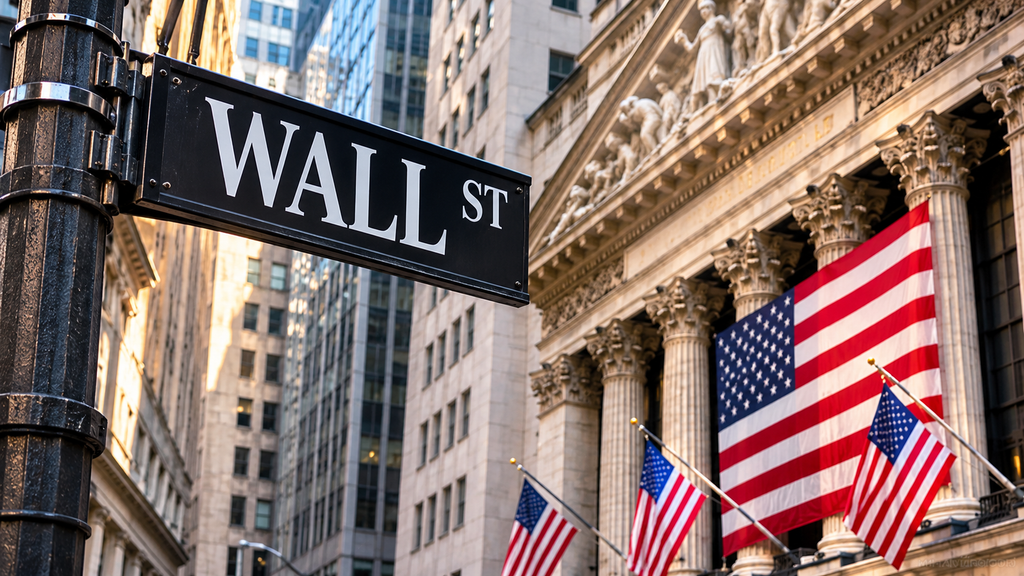
The 2026 midterm elections have created new questions and potential opportunities for investors across several sectors of the U.S. economy. However, identifying promising investments requires more than following political headlines.
Changes in government leadership can influence expectations about regulations, taxes, public spending, and economic priorities. Still, these expectations do not always translate into actual legislation or higher investment returns.
1. Healthcare Stocks
Healthcare companies are attracting attention as investors consider potential changes to federal healthcare policies, Medicaid funding, and Affordable Care Act programs.
Hospitals and healthcare providers could benefit from policies that support insurance coverage and access to medical services. However, reimbursement rates, operating expenses, and regulatory uncertainty remain important risks.
2. Technology and Artificial Intelligence
Artificial intelligence remains an important area of technological innovation, but investors should carefully evaluate the risks associated with high valuations and substantial infrastructure spending.
Potential regulatory changes affecting data centers, energy consumption, and AI development could influence certain technology companies.
Rather than concentrating investments in a single company, beginners may consider diversified technology funds while understanding that these investments can still experience significant volatility.
3. Renewable Energy and Traditional Energy
Energy markets are particularly sensitive to government policy, geopolitical developments, and changes in global supply and demand.
Renewable energy companies may benefit from expectations of more supportive policies, while traditional energy producers remain influenced by oil prices, production costs, and international developments.
Investors should remember that political expectations can change quickly and do not guarantee positive returns.
4. U.S. Treasury Securities
U.S. Treasury securities may appeal to investors seeking predictable interest payments or a relatively conservative place to hold part of their savings.
Treasury bills, notes, and bonds have different maturities and interest-rate sensitivities. Although they are backed by the U.S. government, selling longer-term securities before maturity can result in losses if market interest rates rise.
Investors should compare yields, maturity dates, inflation expectations, and their own liquidity needs.
5. Diversified Exchange-Traded Funds (ETFs)
For beginners, diversified exchange-traded funds can offer exposure to many companies through a single investment.
Broad-market ETFs tracking indexes such as the S&P 500 or the total U.S. stock market may help reduce the risks associated with owning only a handful of individual stocks.
However, diversification does not eliminate market risk, and investors should consider fund expenses, asset allocation, and their investment time horizon.
Ultimately, the best investment approach depends on individual financial goals, risk tolerance, and available savings—not simply on which political party controls Congress.
5 Smart Investment Strategies for Small Investors After the 2026 Midterms

Political changes can create uncertainty in financial markets, but successful investing generally requires patience, planning, and a clear understanding of personal financial goals.
For Americans wondering how to manage their investments after the 2026 midterm elections, the following five strategies can provide a practical starting point.
1. Diversify Your Investment Portfolio
Diversification is one of the most important principles of responsible investing. Instead of putting all your money into a single company or industry, consider spreading investments across different asset classes and economic sectors.
A diversified portfolio may include broad-market index funds, bonds, and other investments appropriate for your financial situation.
Although diversification cannot prevent all losses, it can help reduce the impact of poor performance from an individual investment.
2. Avoid Emotional Investment Decisions
Political headlines and sudden stock market movements can create fear or excitement among investors.
However, buying or selling investments based solely on short-term news may lead to costly mistakes.
Before making changes to your portfolio, consider whether the news actually affects your long-term investment goals.
3. Focus on Long-Term Financial Goals
Investors saving for retirement or other long-term objectives should evaluate their strategies based on their time horizons rather than daily market fluctuations.
Consistent contributions to a diversified portfolio can help establish disciplined investing habits.
Dollar-cost averaging, which involves investing a fixed amount at regular intervals, can reduce the pressure of trying to predict the best moment to enter the market. However, it does not guarantee profits or protect against losses.
4. Maintain an Emergency Fund
Before increasing exposure to stocks or other volatile investments, consider maintaining an emergency fund.
Many financial educators recommend keeping approximately three to six months of essential living expenses in an accessible savings account, although the appropriate amount depends on individual circumstances.
Having emergency savings may help investors avoid selling long-term investments unexpectedly to cover urgent expenses.
Building an emergency fund often starts with better everyday money management. If you’re looking for practical ways to reduce expenses and save more, read our guide on how to save money on a tight budget.
5. Understand Investment Risks and Costs
Every investment involves some degree of risk.
Before purchasing stocks, ETFs, bonds, or mutual funds, review their fees, liquidity, potential volatility, and suitability for your financial goals.
Investors should also consider the impact of inflation, taxes, and interest rates on their returns.
To learn more about investment risks, diversification, and protecting your money, visit Investor.gov, the official investor education website of the U.S. Securities and Exchange Commission (SEC).
For beginners, learning the fundamentals of investing and seeking guidance from a qualified financial professional when necessary can be more valuable than attempting to predict short-term market movements.
The bottom line: The 2026 midterm elections may influence financial markets, but a thoughtful investment plan should be built around personal goals, financial stability, and risk management rather than political speculation.
Frequently Asked Questions About the 2026 Midterm Elections and Investing
Do midterm elections affect the stock market?
Yes. U.S. midterm elections can influence stock market expectations because changes in congressional control may affect taxes, regulations, government spending, and economic policy. However, inflation, interest rates, corporate earnings, and broader economic conditions also play major roles in market performance.
Should I buy or sell stocks after the 2026 midterm elections?
Investment decisions should not be based solely on election results. Before buying or selling stocks, consider your financial goals, investment time horizon, risk tolerance, and portfolio diversification. Short-term political uncertainty does not necessarily justify changing a long-term investment strategy.
What are some investment options for beginners after the midterms?
Beginners may consider researching diversified index funds, exchange-traded funds (ETFs), U.S. Treasury securities, and high-yield savings accounts. Each option has different risks, potential returns, and liquidity characteristics. The most suitable choice depends on individual financial circumstances.
Are ETFs a good investment during political uncertainty?
Broad-market ETFs can provide diversification across multiple companies and industries, which may reduce the risks associated with holding individual stocks. However, ETFs can still lose value during market downturns, and diversification does not guarantee positive returns.
How can small investors protect their money during market volatility?
Small investors can manage risk by maintaining emergency savings, avoiding excessive debt, diversifying their portfolios, and choosing investments that match their financial goals. Staying informed and avoiding emotional decisions may also help investors navigate periods of uncertainty.
Final Thoughts: Investing Wisely After the 2026 Midterm Elections
The 2026 U.S. midterm elections have reshaped the political landscape, creating new questions about economic policy, financial markets, and the future direction of American investments.
While changes in congressional leadership may influence government spending, regulations, and business expectations, investors should remember that political developments are only one part of a much larger economic picture.
For small investors, the most effective response to uncertainty is often to focus on what they can control: maintaining emergency savings, diversifying investments, managing risk, and building a financial plan based on long-term goals.
Rather than trying to predict every market movement, take time to understand your investment options, review your financial priorities, and make informed decisions.
Remember: Successful investing is not about predicting the next election or market rally. It is about building financial habits that can support your future, regardless of which political party controls Washington.
Disclaimer: This article is for educational and informational purposes only and does not constitute personalized financial advice. All investments involve risk, including the possible loss of principal. Consider consulting a qualified financial professional before making investment decisions.