
Personal finance for beginners starts with understanding how to manage money wisely. Whether you are just starting your financial journey or looking to improve your money management skills, learning the basics of personal finance can make a real difference in your life.
In this beginner-friendly guide, you will learn how to create a budget, control your spending, build savings, manage debt, and make smarter financial decisions. You will also discover practical strategies to organize your finances, prepare for the future, and work toward your financial goals.
Personal Finance for Beginners: What Is Personal Finance?
Personal finance refers to how you manage your money, including your income, expenses, savings, investments, and debt. It involves making everyday financial decisions that affect your current lifestyle and long-term goals.
Understanding personal finance helps you take control of your money instead of wondering where it goes each month. More importantly, it helps you prepare for unexpected expenses, make informed decisions, and plan for important milestones in life.
1. Personal Finance for Beginners: Creating a Monthly Budget
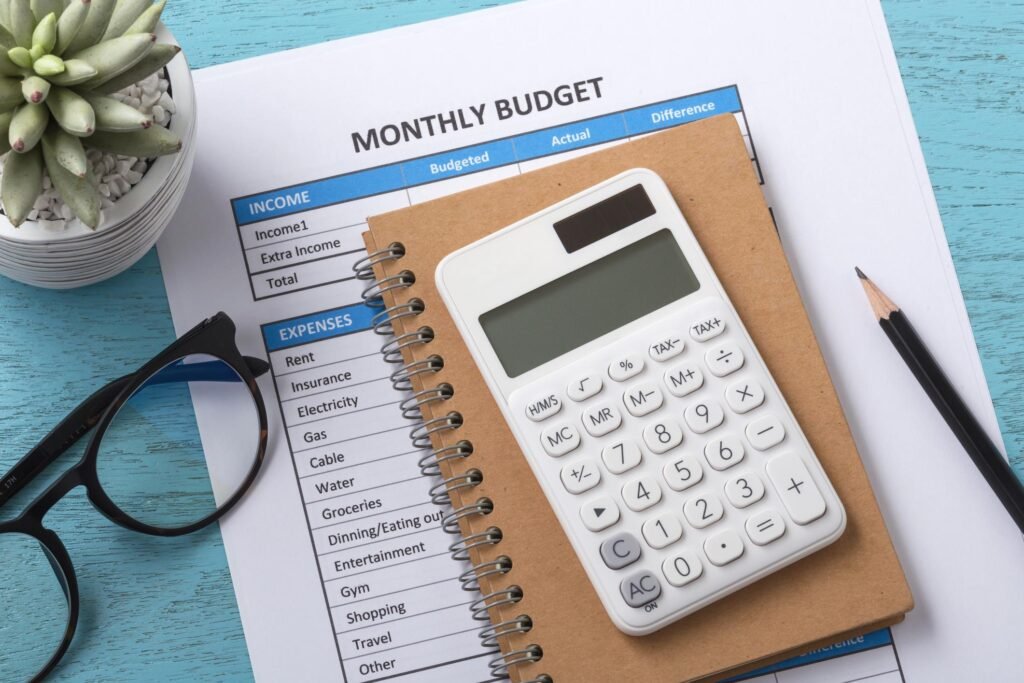
A monthly budget is a simple plan that shows how much money you bring home and how you spend it. In other words, it helps you understand your financial habits, organize your expenses, and make better decisions with your income.
Start by listing all your monthly income sources, using your take-home pay whenever possible. Then, write down your regular expenses, such as rent, groceries, utilities, transportation, and insurance. Remember to include smaller expenses and occasional costs, such as car maintenance or annual bills, because they can add up over time.
Compare your income with your expenses. If you are spending more than you earn, look for areas where you can reduce costs. Whenever possible, include savings as part of your monthly budget instead of waiting to see what is left at the end of the month.
For additional guidance on managing your money, explore the consumer tools provided by the Consumer Financial Protection Bureau.
2. Build an Emergency Fund
An emergency fund is money set aside for unexpected expenses, such as car repairs, medical bills, urgent home repairs, or a temporary loss of income. These savings can help you handle unexpected situations without relying entirely on credit cards or personal loans. For personal finance for beginners, building an emergency fund is an important step toward greater financial security.
A common long-term goal is to save enough to cover three to six months of essential living expenses. However, this amount is only a general guideline, and you do not need to reach it immediately. Your ideal savings target may depend on your income, monthly expenses, job stability, and personal circumstances.
Start with a small, realistic savings goal, such as $500 or $1,000. Set aside money regularly, even if you can only save a small amount at first. Keep your emergency fund in a safe, accessible account, preferably separate from your everyday spending money.
Over time, consistent contributions can help you build a financial cushion and feel more prepared for unexpected expenses.
3. Manage Your Debt Wisely
Debt can become a financial burden when monthly payments take up too much of your income. Therefore, understanding how much you owe, what interest rates you pay, and when your payments are due is an important first step toward taking control of your finances. Understanding debt is another important part of personal finance for beginners.
Start by making a list of your debts, including credit cards, personal loans, student loans, and other outstanding balances. Write down the amount owed, interest rate, minimum payment, and due date for each one. Whenever possible, pay at least the required minimum on time to avoid late fees and potential damage to your credit score.
If you have extra money available, consider directing additional payments toward the debt with the highest interest rate while continuing to make minimum payments on your other debts. This strategy, known as the debt avalanche method, can help reduce the total interest you pay over time.
Most importantly, avoid taking on new debt whenever possible while working to pay off existing balances. Small, consistent steps can make your debt easier to manage and help you build healthier financial habits.
4. Set Clear Financial Goals
Financial goals give your money a purpose. As a result, they help you stay focused, make better decisions, and build habits that support your priorities.
Your goals might include paying off credit card debt, saving for a home, building an emergency fund, planning a vacation, buying a car, or preparing for retirement.
A helpful way to organize your goals is to divide them into three categories: short-term, medium-term, and long-term goals. Short-term goals may take a few months to achieve, while medium-term goals can take several years. Long-term goals, such as retirement savings, may require a much longer commitment.
Try to make each goal specific, measurable, and realistic. For example, instead of simply saying you want to save money, set a target of saving $1,200 in one year. This means putting aside $100 each month.
Breaking larger goals into smaller monthly steps makes them easier to manage and track. Review your progress regularly and adjust your plans whenever your financial circumstances change.
5. Personal Finance for Beginners: Saving and Investing for the Future
Saving and investing are both important parts of building long-term financial stability. However, they serve different purposes, and understanding the difference can help you make more informed financial decisions.
Saving usually means keeping money in a safe, accessible place for short-term needs and unexpected expenses. Examples include savings accounts and high-yield savings accounts. Investing, on the other hand, involves putting money into assets that may grow in value over time, but investments can also lose value.
In the United States, common investment options include stocks, bonds, mutual funds, and exchange-traded funds (ETFs). Each option has different characteristics, potential returns, costs, and risks. Therefore, it is important to understand how an investment works before committing your money.
Before investing, consider your financial goals, time horizon, and risk tolerance. It is also important to build an emergency fund and understand that investments are not guaranteed to generate profits.
You do not need to become an expert overnight. Start by learning the basics, comparing your options, and making informed decisions at your own pace. Developing good saving and investing habits can help you work toward a more secure financial future.
Final Thoughts: Take Control of Your Financial Future
Personal finance for beginners becomes easier when you develop healthy money habits and apply them consistently. By creating a budget, building an emergency fund, managing debt, setting clear financial goals, and learning about saving and investing, you can take meaningful steps toward improving your financial well-being.
Remember that financial progress takes time. You do not need to make major changes overnight. Instead, focus on small, consistent actions, celebrate your progress, and review your financial goals as your circumstances change.
The most important step is to begin. Start with one financial habit today and build from there. Every informed decision can bring you closer to a more organized, stable, and confident financial future.
Building a better financial future does not happen in a single day, but every smart money decision can make a difference. Learn more about our mission and what we offer by visiting our About Us page.